Why Casino Entrances Feel Like a Change of Scene
Casino entrances use thresholds, light, sound, and pacing to shape arrival. Learn how to read these cues without assuming every venue follows one plan.

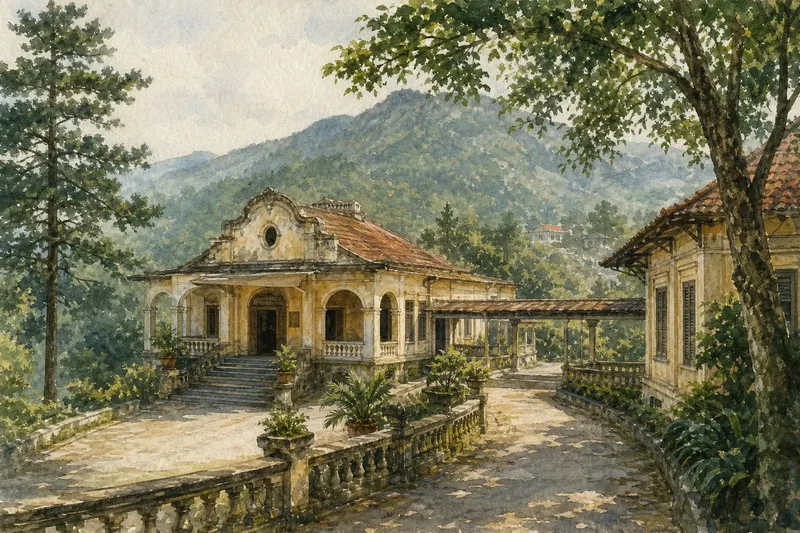
Imagine arriving at a casino in Ba Vì on a rainy evening: a covered walkway leads toward the entrance, and the door closes behind you. That invented scene shows how a casino entrance can mark a shift in setting before you reach the main room. The details vary by venue, but the arrival often works as a sequence rather than a single doorway.
A threshold is more than a door
Start where the public approach meets the venue. The boundary might be a gate, covered walk, broad set of doors, or modest lobby. Ask not only how the entrance looks, but how clearly it marks a change in access, pace, and atmosphere.
Look for a change underfoot. Rough paving may give way to a smoother interior floor, or a mat zone may separate outdoor grit from the lobby. A canopy can frame the approach and provide shelter. A planted edge, low wall, or paving change can mark the boundary without a grand portal.
Notice whether the route serves people arriving on foot, by car, or both. A vehicle drop-off may place the doors close at hand, while a pedestrian path may make arrival more gradual. Neither arrangement tells you everything about the venue; each shapes what a visitor encounters first.
Casino entrances use a sequence of small transitions
Arrival may unfold in layers: exterior approach, sheltered threshold, entry vestibule, and a view into the public interior. Some venues compress those layers into one room. Others create a pause between doors or turn the route so the main space appears gradually.
The sequence can serve practical needs as well as mood. A vestibule can buffer weather and street noise. A reception point can make the next choice easier to understand. A turn may keep the entrance from opening directly onto a busy interior.
Follow the route at walking pace. Note where you slow down, where you can see ahead, and whether the next destination is apparent. Describe what the arrangement lets a visitor do instead of guessing the designer’s intention.
Light and sound signal a change in setting
Contrast matters as much as brightness. Daylight under a canopy may give way to a softly lit lobby, or a bright entrance may open toward a dimmer interior. Glass, pale stone, or metal can reflect light and sharpen the transition. The effect depends on the surroundings and time of day.
Sound changes too. A door, curtain, or angled vestibule may soften street noise. Inside, a visitor may hear conversation, music, or movement. A threshold that lets these sounds arrive gradually feels different from one that exposes the whole interior at once.
Separate observation from assumption. A quiet entry does not necessarily signal exclusivity, and a dramatic lighting contrast does not explain a venue’s identity by itself. Record what is bright, what is screened, and when the sound shifts.
What should you notice at a casino entrance?
Does the approach make the main door easy to find?
Look for a clear path from the pavement, parking area, or drop-off point. If the route is apparent, note what guides you; if it is not, record where you hesitate and what sign or landmark might help.
Can you see inside before you enter?
Glass may reveal a lobby, while a wall or turn may keep the interior out of view. If the entrance offers a clear view, note what it reveals; if not, record where the view is screened rather than treating either choice as better.
Where does the pace change?
Notice where people pause, orient themselves, or wait. If a vestibule, desk, or sheltered landing creates a stopping point, mark it on your route; if the path stays direct, note how it carries visitors onward.
Do materials mark the transition?
Compare the outside paving with the interior floor, and look for a change in ceiling height or texture. If a material shift makes the boundary easy to read, record it; if surfaces continue without a clear break, note what other cue marks the entrance.
Read the entrance as a route, not a promise
Say you are documenting an invented casino entrance in Ba Vì. Your starting notes are a rainy approach, a covered path, a lobby with a turn, and a public room not visible from the door. First, trace the path from the exposed approach to the canopy. Next, mark the door and the turn in the lobby. Then record that the public room comes into view only after the turn. Your resulting description is a sheltered, gradual arrival; it does not establish why the designer chose that arrangement or how every visitor experiences it.
For your notes, sketch the route with arrows and add observations about the ground surface, overhead cover, view lines, and sound changes. Use the same categories when comparing venues with different sizes, locations, or operating patterns. What is not worth the effort is guessing a full design brief from one doorway or treating a dramatic entrance as the standard for casino architecture.
Casino entrances can feel like a change of scene when the transition is legible, whether a canopy, pause, turn, or shift in light marks it. Read the cues in order, from approach to interior, and the route will tell you more about arrival than the entrance’s scale alone.