A Museum Visit Through Casino Design
A museum visit through casino design helps you compare plans, photographs, and objects while keeping claims about Casino Ba Vì grounded in what is shown.
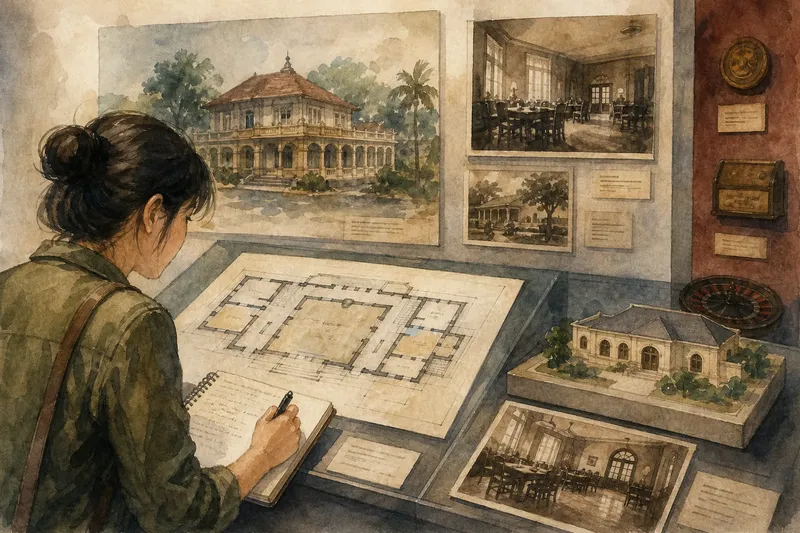
You stop in front of a floor plan and try to work out which room connects to the hall. A museum visit through casino design can begin there: compare what a display actually shows, then ask how its format shapes your reading of a leisure venue such as Casino Ba Vì.
The available material matters. Without a specific exhibit, plan, or photograph to consult, Casino Ba Vì should be treated here as a subject for careful interpretation, not as proof of any particular layout, history, or visitor experience. The method below applies when a museum or archive presents material about the venue.
Start with the kind of evidence on display
Identify what you are looking at before drawing conclusions. A floor plan shows spatial relationships from above. A photograph records one view at a particular moment. A model offers a simplified three-dimensional representation, while an object or caption may provide a connection to a place or activity.
Use a notebook to record three things: the display type, the feature you can point to, and what remains unclear. For a plan, that might mean “labeled rooms connect by a corridor; no route of movement is marked.” For a photograph, it could be “seating and a doorway are visible; the opposite side of the room is outside the frame.”
When two items seem to disagree, check their captions for dates, viewpoints, or different purposes. A plan and a photograph may represent different moments or levels of detail. If the captions do not resolve the difference, note the question rather than choosing one item as definitive.
Compare rooms by their relationships
A room’s position can be described without guessing how people felt or behaved there. Look at whether it connects directly to another room, sits at the end of a corridor, or shares a wall with a larger space. Those are visible relationships; claims about how they affected visitors need additional context.
Use these checks as you compare displays:
- If a plan labels an entrance and a connected room, record that connection; if it does not label the entrance, avoid assigning one and look for a caption or another plan.
- If two rooms share a doorway on the plan, note the connection; if the doorway is unclear, mark it uncertain and compare a clearer image.
- If a photograph shows furniture and a sign, describe those visible features; if the room’s use is not identified, consult the caption rather than naming its purpose.
- If a model shows a central space and several adjoining areas, record that arrangement; if its small details are indistinct, use a plan for closer comparison.
- If a caption identifies a room, keep that identification with the caption’s source; if no label supports the name, describe the space without naming it.
- If two displays show different arrangements, check their dates and viewpoints; if those details are absent, record both versions and ask museum staff whether more context is available.
Imagine a gallery presents a clearly labeled plan with a hall connected to two smaller rooms, plus a photograph showing only one of those rooms. Your notes can state that the plan marks both connections and the photograph shows one room’s furnishings. The comparison cannot establish how visitors moved between the spaces or what they thought of them.
It is not worth trying to reconstruct a complete visitor journey from a partial plan or assigning a purpose to every unlabeled room. Record what the display supports, then move to material that answers a more specific question.
Use visual details to make careful comparisons
Color, lighting, signs, and materials may draw attention, but they do not explain themselves. In a photograph, note where light falls or which sign is legible. In a drawing, observe what the artist has emphasized. Check an object’s label before connecting it to a particular room or activity.
Compare similar items where possible. Two photographs can reveal differences in viewpoint; two plans can make room relationships easier to compare. If you compare unlike formats, state the limitation: a plan flattens space, while a photograph captures only the angle shown.
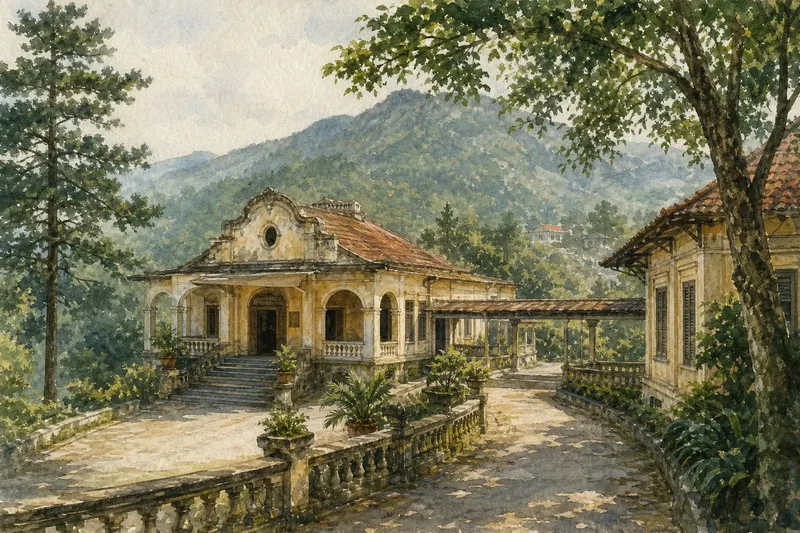
For Casino Ba Vì, a specific claim should rest on specific material. A photograph may support a description of a visible facade; a plan may support a statement about labeled room connections. Neither alone establishes the venue’s complete history or how its spaces were experienced.
What should you ask when reading casino displays?
How can I read a floor plan without architectural training?
Find the labels and trace the connections shown between rooms. Describe turns and branches in plain language, and leave unmarked uses or routes open.
What can a photograph tell me about a room?
It can show details within its frame, such as furniture, lighting, signs, and openings. Check its caption and compare other material before making claims about the room’s purpose or broader context.
What should I do if two displays seem to conflict?
Compare their dates, viewpoints, and formats first. If the labels do not explain the difference, record what each item shows and ask museum staff whether further context is available.
Build a visit around one clear question
Choose a question that the displays might answer, such as “Which rooms does this plan label?” Start with an overview, then look for a photograph or object that adds a different kind of detail. At each stop, write one observation and one unanswered question.
Say you have a plan whose caption identifies a lounge beside a larger room, and a photograph labeled as the lounge. First, record the labeled connection on the plan. Next, note the furniture visible in the photograph, while remembering that its frame shows only part of the room. The resulting answer is limited but useful: the caption identifies the space, the plan shows its stated relationship to another room, and the photograph records visible furnishings. What visitors did there remains unanswered unless another source addresses it.
Near the end, return to the first display and revise one note if later material clarified it. That small check helps keep a museum visit through casino design grounded in what the exhibits actually present, while leaving room for questions about Casino Ba Vì that the available evidence cannot settle.